
Operational Training and Development in the Scottish Fire and Rescue Service
Related Downloads
Talent Development - Management and Performance
297. The Service’s long-term vision describes a confident, modern and outward-looking LO. Its strategy commits to providing staff with the leadership and management skills needed to enhance professional standards. The three-year delivery plan prioritises staff safety through high-quality training, professional standards, competence and continuous improvement. In relation to OTD the Fire Standards Board details that there is a requirement to meet a standard for leading the Service, leading and developing people as well as operational competence.
298. In relation to leading the Service they detail that an FRS should have leaders at all levels. In respect to leading and developing people the standard states that a FRS should train and develop employees, including leaders, so they are competent in their respective roles; provide continual professional development to employees and identify, encourage and nurture talent, providing career pathways for all.
299. The LO is an organisation that facilitates the learning of its members and where employees at all levels are constantly learning and improving their skills. As such, talent management could be seen as a function of the LO process that attempts to ensure the Service facilitates the development of its members and continuously transforms itself. It is therefore worth remembering that, in general, training refers to the process of increasing the knowledge, skills, and abilities of employees for doing their job better, whilst development refers to the overall growth of employees and is more long-term career orientated. As such, People Directorate and specifically TD have responsibility for this aspect of the LO.
300. The Chartered Institute of Personnel and Development (CIPD) define talent management as ‘the systematic attraction, identification, development, engagement, retention, and deployment of those individuals who are valuable to an organisation, because of their potential or critical role’[34]. A coherent talent management strategy directs investment in people and supports broader organisational objectives. Talent management activities, can include activities such as:
recruitment (TA);
building talent ‘pools’;
succession planning;
life-long learning;
leadership and career development;
performance management;
employee engagement; and
employee retention.
301. The People Directorate includes TD, Talent Acquisition (TA), WP and MA, which collectively manage talent related activity. According to the CIPD, talent is developed through targeted L&D such as coaching, mentoring, formal training, secondments and networking. Talent management should align with wider L&D activity and outcomes should be evaluated to ensure return on investment. This report therefore focuses on leadership and career development, with particular emphasis on the TD team.
Strategy
302. The SFRS has a long-term vision that informs its strategy and three-year delivery plan. Directorate plans then translate these priorities into functional and team level work. The Service currently has no dedicated people strategy to set out its overall approach to TD. The 2025-2028, three-year delivery plan commits to creating one, aimed at strengthening leadership capability, improving employee experience, and supporting organisational performance. It goes on to specify that year one actions (25/26) will be to:
develop and publish a SFRS people strategy;
develop and design a culture and leadership vision and strategy, identify key priorities and develop and implement a revised culture action plan;
design and commence delivery of the leadership and management development framework; and
review the SFRS values to ensure alignment to the SFRS strategy and culture and leadership revised approach.
303. We were provided evidence of an early engagement session with the People Committee regarding the development of a people strategy and that the strategy has been drafted and consulted upon, ahead of going through formal governance.
304. The Directorate reported that it has an interim People Model which is linked to the Services’ strategy, three-year plan and Annual Operating Plan. The people model details the strategic priorities, directorate and core deliverables for each team. That said, we found limited awareness of this model whilst speaking to directorate staff and that there was not a team plan providing more detail on routine TD tasks. A draft Management Development Framework document was created but it did not pass early governance stages and has since been discontinued. However, aspects of development course delivery contained within the document are still being continued.
305. The Service has documented that development of the organisational culture and leadership programme remained a key focus with strategic leadership and management workshops, a culture development group and SFRS Board engagement all planned. A draft programme problem statement, programme vision, outcomes, high level potential measures and short list of organisational culture and leadership activities have been developed for consideration by the programme board. A Leadership and Management Development Taskforce (LMDT), chaired by senior managers, has been established to build a consistent SFRS-wide framework, delivered locally. A case for funding has been made, to enable a more strategic, future-focused approach to workforce development, noting that the existing learning and development budget is predominantly allocated to compliance and regulatory training.
Area for Consideration 15: There is a need for a clear, coherent people strategy that defines how the Service will deliver talent management and develop as a true learning organisation. The People Directorate should progress this work to completion as it should be the foundation for all related future people initiatives.
Policy, Process and Procedures
306. The People Directorate has policies and procedures on topics such as appraisal, CPD payments, MA, recruitment and selection, Learning Needs Analysis (LNA) as well as manager competence, all of which are related to and have aspects of TD. However, there is no people or talent policy or framework, which could illustrate the specific course or actions adopted to deliver TD. We are aware that there is an interim approach to continue the delivery of a Leadership Essentials for Supervisory Managers course and the NFCC leadership development programmes in parallel to the design of the Leadership and Management Development Framework (LMDF).
Governance
307. We found that TD is informally managed through informal daily and weekly discussions between staff and managers. The Directorate does not hold FMT meetings due to the fact that it is a standalone Directorate with no multiple functions. Formal governance occurs through the DMT, which reports to the Strategic Leadership Team via the People Committee. The DMT ensures the Directorate’s strategic and operational activity aligns with the Service’s strategic ambition. It also provides a forum to identify, maintain and fulfil the Service’s legal responsibilities as an employer, including scrutiny of people policies, procedures, compliance and training to support workforce safety, wellbeing and competence.
308. The DMT is chaired by the Director of People on a monthly basis. The scope of the DMT is:
ensuring the Directorate is well designed, flexible and effectively resourced with a strong commitment to training and development for all Directorate employees;
ensuring a safe and healthy working environment is provided for all Directorate employees;
enabling and encouraging the Directorate to be progressive and innovative in how it is designed, organised and operates;
supporting the development of Directorate staff to develop and maintain the skills, knowledge and experience required to support the SFRS in meeting its strategic goals and ambitions; and
develop collaborative and innovative leaders that represent the Directorate across all areas of SFRS activity and service transformation.
309. In general terms the DMT should focus each meeting on the following broad areas, which will be managed through a standing agenda:
performance;
risk and audit;
work plans and projects;
budget;
workforce planning and resourcing;
learning and development;
H&S;
equality and diversity;
positive action;
employee experience and engagement;
policy development and review;
reward and benefits;
wellbeing and absence; and
employee relations.
310. In addition, to these governance meetings, we found that a Learning Partner Group (LPG) supports Directorate governance. The LPG prioritises and informs planning for L&D initiatives with budgetary, legislative or statutory impact. Chaired every six weeks by the Deputy HoF responsible for TD, the group brings together representatives from across the organisation to review and discuss LNA inputs and outputs.
311. Lastly, it is important to note that the Directorate participate in the risk management process for the Service and have a notable risk that the organisation’s L&D budget is predominantly allocated to compliance and regulatory training, due to limitations on the available funding. In addition, they also detail that there is a risk that the Directorate is unable to deliver against stated commitments and objectives or provide timeous support to wider SFRS projects and change initiatives, due to limited resources and capacity brought about by the current financial context and competing organisational priorities.
312. We believe that whilst the Service has strong ambitions around developing its people and becoming an exemplary LO, the current people structures lack a coherent strategy, adequate procedures and formalised governance. The work on a culture and leadership framework is in progress, but still at an early stage and challenged by limited capacity and competing priorities. There is a broad recognition that the organisation must build clearer pathways for leadership and development, introduce a Service-wide people strategy with supporting processes and strengthen governance for TD.
Recommendation 7
We recommend that the Service should develop clear talent development policy, procedures and governance frameworks to complement any strategy and guide the day-to-day delivery and management of people initiatives.
Systems
313. The main system used by the People Directorate is the iTrent software package. iTrent is a human resource and payroll software system designed to streamline various human resources processes. It offers functionalities such as employee data management, recruitment, performance tracking, payroll processing, and compliance management. It aims to unify human resource and payroll within one integrated platform, automating complex payroll processing and workforce analytics. The system holds a number of different data streams relevant to TD, competency, skills and currency being some of the main ones.
314. The other system used by the Directorate is pdrPro, which is a training and competence management and recording system as detailed previously. It provides a robust, role-based framework that ensures every team member from frontline firefighters to specialist operators maintains the skills, certifications, and readiness required to respond safely and effectively. All learning and development outwith the TfOC LCMS system is managed and recorded on pdrPro. In particular to People Directorate, it is used extensively for trainee firefighters working through the MA/SVQ process.
315. In addition, to these two main systems, the team also uses Microsoft based software applications both nationally and locally to manage the LNA, course scheduling, course planning, venue bookings etc. The systems detailed above do not interface with each other particularly well, making control and coordination very cumbersome and it requires a great deal of manual intervention. Staff reported similar issues to training, in that these issues made their role more less effective, inefficient and that it inevitably was open to human mistakes.
316. These issues are compounded by limited integration between people and training systems, which makes it difficult to coordinate competencies, skills and workforce planning across both directorates and the SDAs. Although the SFRS Strategic Service Review Programme explored a unified PPFT system, it could not meet the training function’s needs. As a result, training has begun a separate training systems project procurement process. It is understood that the statement of requirements and outline business case for the people payroll and finance system has been agreed and approved, including integration requirements. It is essential that the people element of people payroll and finance system aligns with the training systems project to ensure shared database access and avoid duplicated data entry.
Area for Consideration 16: The People Directorate should continue to engage proactively with the training system project, confirming that both systems can interface to ensure that effective and efficient coordination of development, competencies, skills and subsequent workforce planning can be achieved.
Structures and Administration
317. Similar to OT, in organisations which have responsibility for their own development, there exists a simple relationship between, those requiring development and the person responsible for the delivery of development. In this model (Figure 3) anyone requiring development for their staff would be classed as the ‘Customer’. The person with responsibility for development, the People HoF, would be classed as the ‘Supplier’. Ordinarily the customer identifies what development they require and discusses this need with the supplier. The supplier then determines how best this need can be met and either, designs and delivers an internal solution, or procures a suitable product from a ‘Third-party Provider’. Like all good suppliers they should, of course, ensure the customer is engaged in this process and is satisfied with the proposed solution.
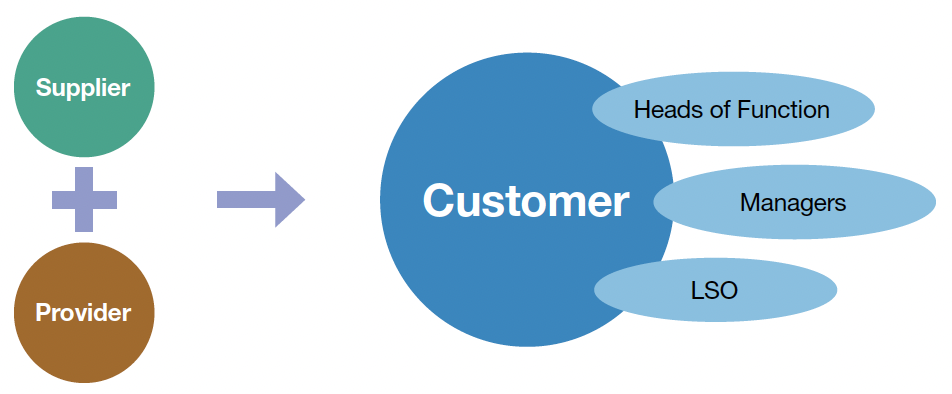
Figure 3 - Traditional Development Model
318. SFRS would seem to follow this basic model and in respect of development the customers vary and include, LSO’s, HoF and managers. The majority of customers sit within the SDAs and are either station-based or manage and support these stations. There would seem to be an equal balance of supplier and provider in the people model, probably necessitated by the lack of capacity and the limited resources and course material internally.
319. The TD team consists entirely of support staff and is managed by a deputy HoF who also oversees the equality, diversity and inclusion team. The team’s TOM is six posts: one People Manager, one Lead People Advisor and four People Advisors (circa 5.7 full time equivalent), with no administrative support. Staff consistently reported that limited capacity restricts their ability to design, develop and review courses. No clear industry benchmark for development staff ratios exists, and we found no evidence that the Service’s staffing model is based on any recognised standard.
320. Limited resources and competing priorities mean the Directorate may be unable to meet its commitments or support wider SFRS projects in a timely way. We were provided information that demonstrated the People Directorate has highlighted the capacity and financial challenges to strategic leadership and the Board on a number of occasions, which has recently resulted in a limited interim increase in capacity to support project work. The People Committee have questioned how management and leadership development can be delivered at greater pace and scale. People Directorate managers highlighted that progressing the large supervisory management cohort would take considerable time and noted that while alternative approaches to releasing staff for training are being explored, capacity to deliver and the organisation’s ability to absorb learning remain constrained.
321. The FSOS 2024-2025 shows the Service employs 7,556 staff, including 6,648 operational staff (excluding OC). We acknowledge that TD and OT perform different functions; however, TD’s small team of around seven, including the senior manager, contrasts sharply with the training function’s staffing levels. This highlights a significant capacity risk within TD and suggests current resources do not align with the organisation’s strategic ambitions. The absence of administrative support further compounds these pressures as facilitation staff capacity is limited.
322. We recognise that TD is a core element of modern HRM and is therefore appropriately placed within the People Directorate. However, there is a clear gap between the organisation’s ambitions and the team’s current capacity and structure. Our findings confirm staff concerns that the existing TD setup is insufficient to meet organisational needs, and it is unlikely to do so without significant restructuring and additional resourcing.
323. Withdrawal of staff from operational cover continues to hinder development, and the historic agreement allowing a number of appliances to be taken OTR for development is increasingly difficult to sustain. Some SD management teams have also been reluctant to release staff for TD courses, citing low confidence in the product and limited return on investment. As a result, there now appears to be a broader confidence issue in both the developmental products and the TD process, which may require focused engagement to redress.
324. The Chief Officer holds overall responsibility for staff development, with the Director of People providing strategic leadership and policy direction. The HoF, acting under delegated authority, manages the People function. Team members have clear job descriptions and annual objectives are set as part of their appraisal process. However, there is no clear, comprehensive description of roles and responsibilities from HoF down through the team. Staff reported knowing their day-to-day tasks but lacked broader guidance, highlighting an absence of structured direction in this area.
325. The Service aspires to be a LO, but its TD environment is under-strategised, under-resourced and inconsistently applied. A clear people strategy, a coherent leadership and development framework, significantly increased TD capacity and budget, integrated systems, and stronger governance and accountability are needed. Until these gaps are addressed, TD will continue to lag behind operational training and leadership capability will remain a barrier to long term organisational improvement.
Recommendation 8
We recommend that the Service review its development team capacity to ensure organisational needs are met, prioritising any future resources for talent development and its performance management.
Performance
326. The Service PMF defines how the SFRS will manage its performance and how it uses information to inspire change and improvement. It also provides ‘the Board with the relevant information on…performance to support their role in scrutinising the Service’. As detailed in this report previously, the PMF has agreed measurements for training (KPI 22 – 29), however there are currently no measurements for TD, albeit we understand that indicators are being developed as part of the organisational culture and leadership programme.
Measuring
327. In our NSDA inspection we found that development programmes are ongoing, and requests allowed personnel to access online training packages. We learned that the Service at that time reported 2,250 supervisory level managers who may require leadership and management training. It was expected that the 2,250 would increase when middle and strategic level managers were also considered. Throughout the year of 2024 the Service reported that a total 160 candidates accessed the first of three days proposed training with a further 35 candidates accessing Franklin Covey modules, which we reported as a concerning gap at that time.
328. The development available to supervisory managers includes the Franklin Covey supervisory leadership programme, the NFCC supervisory leadership development programme and internal SFRS programmes such as people management and leadership essentials. Based on an estimated cohort of 2,090 supervisory managers as detailed in Table 11, only 310 have attended development in the past five years, around 15%. It should be noted that the delivery has increased nearly sevenfold from 2023-2024 to 2024-2025, which is a significant improvement. These figures exclude locally delivered development, which is discussed later. Although delivery is definitely increasing, opportunities remain limited, and more than 85% of supervisory managers have received no formal development in the last five years.
Workforce |
20/21 |
21/22 |
22/23 |
23/24 |
24/25 |
Total |
|
Supervisory |
2,090 |
0 |
0 |
20 |
37 |
253 |
310 |
Middle |
332 |
0 |
31 |
32 |
59 |
53 |
175 |
Strategic |
62 |
0 |
1 |
3 |
10 |
0 |
14 |
329. Development for middle managers includes a range of programmes such as Franklin Covey leadership courses, the NFCC middle manager leadership development programme, SFRS management development framework sessions and Charter Management Institute qualifications. Of the estimated 332 middle managers, 175 have received development in the last five years, around 53%. This does not include locally delivered training, which is discussed later. Although delivery is increasing, opportunities remain limited, and the data indicates that there is potentially a significant portion of middle managers who have had no formal development within the past five years.
330. Development for strategic managers includes Franklin Covey inclusive leadership, Chartered Management Institute Level 7 qualifications, and the NFCC executive leadership programme. Of an estimated 62 managers, only 14 have undertaken development, around 23%. These figures exclude locally delivered programmes. While participation is increasing, opportunities remain limited, with potentially more than 75% of strategic managers receiving no formal development in the past five years.
331. It should be noted that high turnover in staff previously detailed may account for some of the challenges within this period. Participation and completion information is reported quarterly, including to Strategic Leadership Team and People Committee. No performance targets appear to exist, and there was no plan or process reported to HMFSI to close the gap between staff who have received development and those who have not.
Monitoring
332. The People Director chairs the DMT every six weeks, providing formal oversight of business activity and monitoring performance against agreed indicators. L&D is a standing agenda item. According to the DMT terms of reference, outcomes are escalated through the appropriate governance routes. TD performance is reported quarterly to the People Committee, supported by the LPG, which offers additional monitoring. The LPG reviews LNA requests and submits recommendations for governance scrutiny each quarter. L&D activity linked to the LNA process and LPG is reported to the Strategic Leadership Team and People Committee quarterly.
Quality Management
333. As stated, a QMS is a formal system that documents an organisation’s processes, procedures and responsibilities to meet quality, regulatory and customer requirements, and to support continuous improvement. Staff reported that courses were delivered to a good standard and attendee feedback was routinely gathered. Although the TD team issues a customer satisfaction survey (Gen12) for every course, we found limited evidence of a formal QMS or assurance process being used to evaluate or drive improvement.
Audit
334. As stated previously audit is an integral part of the management of training and a programme of audit would be expected for development also. We found no evidence of a formal audit system being used to assess improvement or value for money.
Benchmark
335. It is clear that the people function are part of the process for utilising off-the-shelf courses via NFCC framework. As such, it is understood that FRS throughout the UK will have delivery models and courses used in similar-sized organisations. In addition, there is also the potential that other organisations outwith the UK FRS may also offer insight into improvements in performance. The People Directorate reported that there was routine sector collaboration within the NFCC People Culture and Leadership programme. However, we found limited evidence that benchmarking was a tool being routinely utilised by the Directorate to compare the standard of development provision.
Scrutiny
336. The PMF identifies people as a corporate governance matter integrated into SFRS structures, including the Fire Board, its sub committees and the Strategic Leadership Team. Scrutiny occurs quarterly at the Fire Board, People Committee and Strategic Leadership Team. TD is routinely reported through quarterly and annual performance reports to these bodies. While these reports contain both quantitative and qualitative information, the absence of KPIs means scrutiny relies heavily on subjective commentary, limiting the Service’s ability to easily measure progress or demonstrate improvement.
337. In summary, leadership and management development within the Service is significantly under resourced, weakly measured and inconsistently delivered. While operational training benefits from strong performance structures, the development environment lacks equivalent systems. We acknowledge that there is ongoing progress of management and leadership development through a programme of work. However, the organisation cannot demonstrate significant improvement in leadership and management capability, creating a strategic risk to both leadership capacity, performance and future succession planning.
Recommendation 9
We believe that there is poor performance management for talent development and we would recommend the People Directorate strengthen its management by implementing more robust systems for measurement, monitoring, quality assurance and audit to improve scrutiny and oversight.