
Operational Training and Development in the Scottish Fire and Rescue Service
Related Downloads
Operational Training - Assets and Equipment
253. The TFF details that the training function need to provide fit for purpose TCs to achieve its overall objective. As detailed the training function has 13 main facilities, five designated TCs and eight Training Sites as detailed in Figure 2.
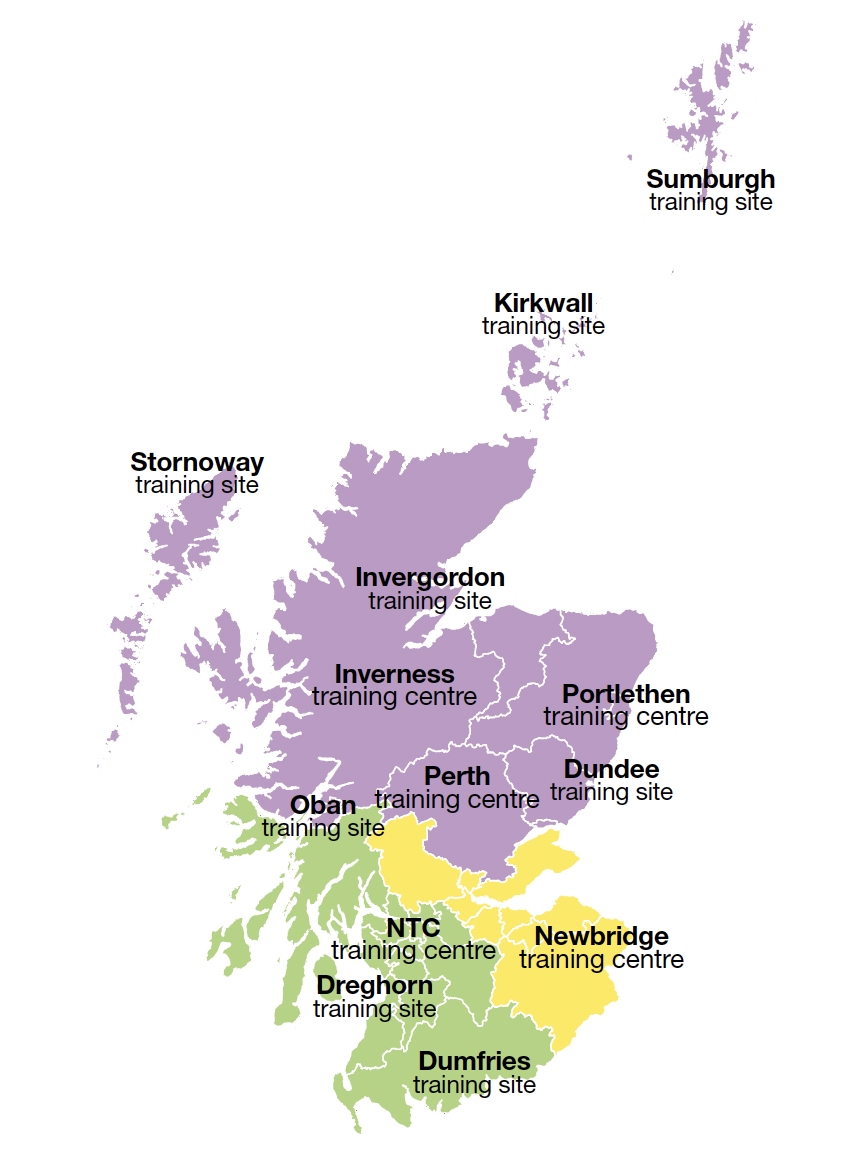
Figure 2 - Map of Training centres and sites across Scotland
254. The main instrument for ensuring appropriate assets, equipment and vehicles are available is the TSAMP. The main focus of the TSAMP is to establish and maintain a sustainable training asset portfolio which enables the SFRS to develop and maintain the operational skills of its firefighters safely and effectively. The TSAMP also provides a property overview which details the condition and suitability together with areas of concern across current key training facilities and forms the basis for the prioritisation of the current capital programme relating to property within the training estate.
255. The training function state that the TSAMP ‘aligns to our strategic intentions to modernise, be more innovative, diverse and inclusive, as a learning organisation where staff are supported through better training. To achieve this, we must ensure our training assets remain functional, compliant, and safe while providing value for money. By implementing proactive maintenance, lifecycle management, and strategic investments, our TSAMP can continue to serve as a vital resource for the fire service, providing top-tier training facilities, vehicles and equipment for current and future firefighter safety’[32].
Good Practice 7
The development of the training strategic asset management plan utilising cross-directorate collaboration, is a strong example of good practice. It provides a clear roadmap for facility improvement and investment, supporting effective strategic planning.
256. Whilst approximately £26m was invested from 2013 onwards, in upgrading key training facilities such as Dundee, Stornoway, Orkney, Shetland, Portlethen and Newbridge, investment and maintenance have not kept pace. As a result, the Service reported that the training estate now faces a £31m property maintenance backlog and an £11m fleet investment backlog. The training function currently manages five TCs, eight training sites and 26 training blocks, along with 91 fleet assets. Priority areas for investment include DF, ConC, CFBT smoke capture improvements, fleet replacement and equipment renewal. In 2023-2024, 6% of scheduled courses were cancelled due to asset unavailability.
Buildings and Facilities
257. We found that staff were generally happy with the training facilities but appreciated that improvements could be made. We observed many of the buildings and facilities and believe that, in the main, the Service has appropriate assets at its disposal to train staff effectively and efficiently. The training village at NTC and facilities at Newbridge are of particular note. Some other good examples include collapsed structures, industrial facilities, aviation incidents and CFBT units.
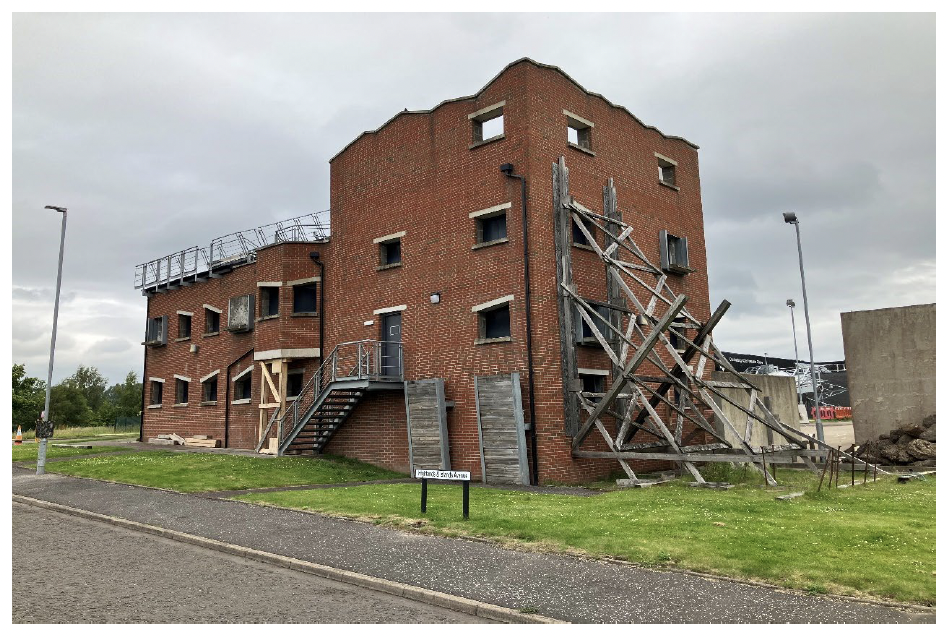
Image 1 - NTC Urban Search and Rescue Facility
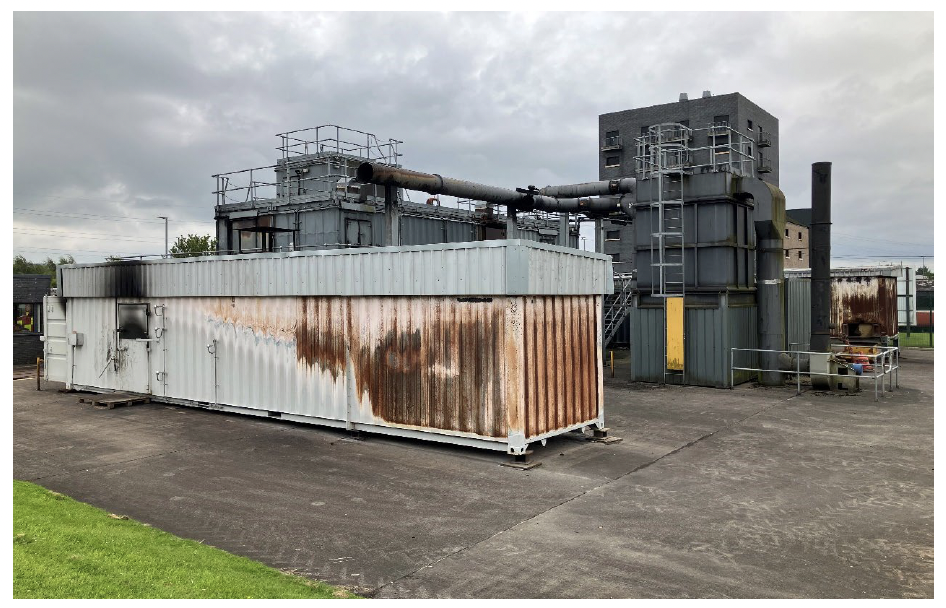
Image 2 - NTC CFBT Facility
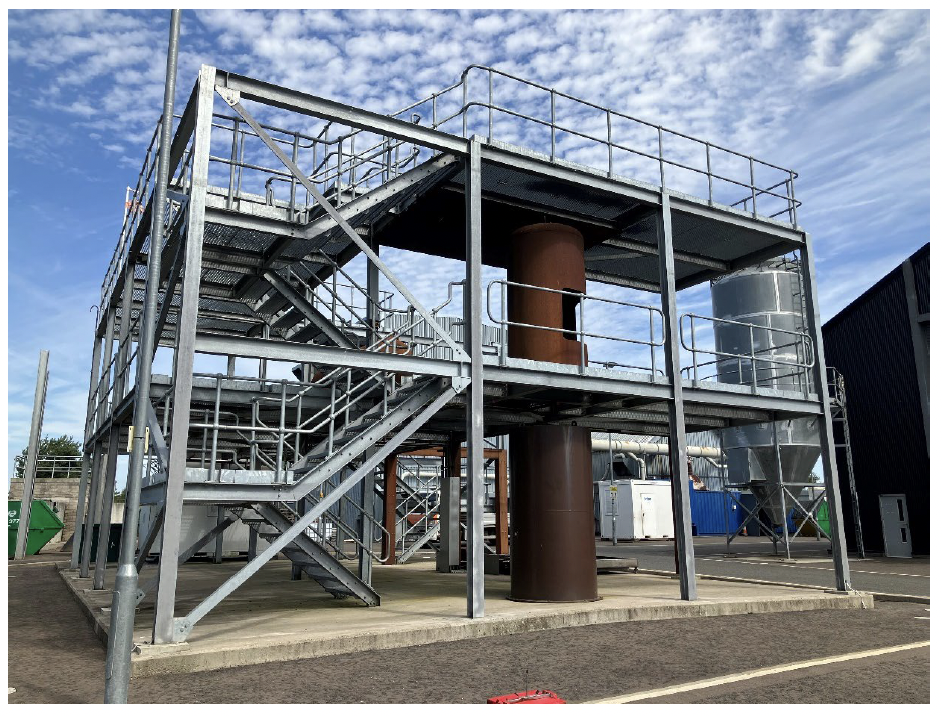
Image 3 - Newbridge Industrial Facilities
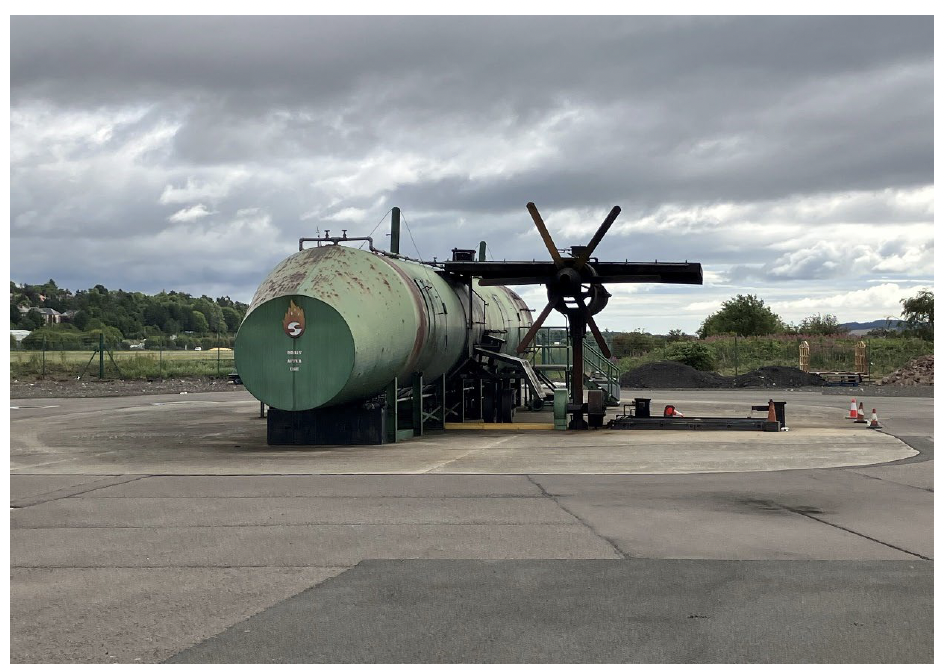
Image 4 - Dundee HIAL aviation facilities
258. The 2024-2025 capital programme for the training estate was prioritised using ‘condition’ and ‘suitability’ data, combined with demand. This risk-based approach aligned with wider SFRS property prioritisation. Opportunities for deliverability within the financial year were also considered. Following consultation between the training function and asset management teams, a comprehensive project list was created and refined based on available funding and the feasibility of delivering the highest-priority work.
259. The TSAMP details that each building and facility has been assessed with regard to its ‘suitability’ and ‘condition’. The number of issues identified are far too many to detail in this report but suffice to say that it is detailed and we are confident that the Service has an accurate picture of this aspect of its estate. The document details percentage of properties in satisfactory or good condition is 59%, whilst the percentage deemed to have satisfactory or good suitability is 70%.
260. The Service provided a priority list of work for these facilities that includes the upgrade of CFBT training rigs and smoke capture, DF, ConC, BA maintenance and welfare facilities as detailed in Table 10.
CFBT |
DF |
ConC |
BA |
Welfare |
|
NTC |
X |
||||
Newbridge |
X |
X |
X |
||
Inverness |
|||||
Perth |
X |
||||
Portlethen |
X |
X |
X |
||
Dreghorn |
X |
||||
Dumfries |
X |
X |
X |
||
Dundee |
|||||
Invergordon |
X |
X |
X |
X |
|
Kirkwall |
X |
X |
|||
Oban |
X |
X |
X |
X |
|
Stornoway |
X |
X |
|||
Sumburgh |
X |
X |
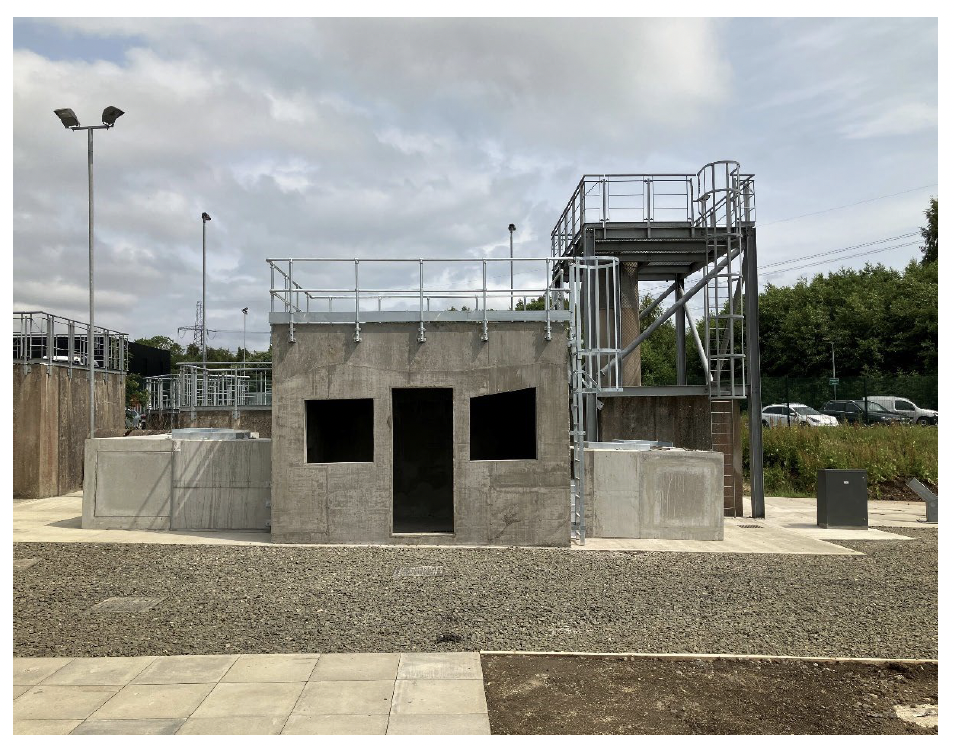
Image 5 - Structural collapse simulator facility investment
262. There is a strong need to invest in both Perth TC and Dundee Training Site, which currently operate together to serve the area. Perth functions as the main TC but lacks CFBT facilities, while Dundee provides CFBT but has limited welfare, DF and ConC provision. As a result, staff attend Perth for general training, travel to Dundee for CFBT, then return to Perth or their stations for welfare, cleaning and BA maintenance. This arrangement is inefficient, impacts hygiene and ConC, and complicates training delivery. To address this, the Service has committed major capital investment at Perth TC to introduce CFBT facilities along with improved DF, ConC, BA maintenance and welfare provision.
263. Planning approval has been secured and main works will proceed to maximise 2025-2026 spending, with completion expected by August 2026. Adaptations at the Dundee site, including a covered disrobe area, changing space and external sink are scheduled for completion by the end of 2025-2026. This investment is welcome, as current arrangements are inefficient and compromise effective training delivery.
264. There is a continuing need to upgrade DF, ConC and BA maintenance facilities at Dumfries, Oban, Invergordon, Portlethen and Newbridge, as well as welfare facilities at Kirkwall, Stornoway and Sumburgh. These improvements form part of an ambitious capital investment plan for 2026-2031. However, a directorate risk remains that limited capital funding may restrict the Service’s ability to deliver these upgrades, with future budget allocations likely to influence what can be achieved.
265. A contaminants workshop held last autumn agreed a series of actions to strengthen fire contaminant control across training facilities. These included prioritised compliance checks at CFBT locations, updated zoning maps, improved welfare procedures at key sites and the development of options to ensure HSE compliance. This work is welcome, as we observed several ongoing concerns during the inspection, including long term temporary measures for BA maintenance in open air and continued reliance on temporary zoning signage, both suggesting that permanent, agreed controls had not yet been fully implemented or prioritised.
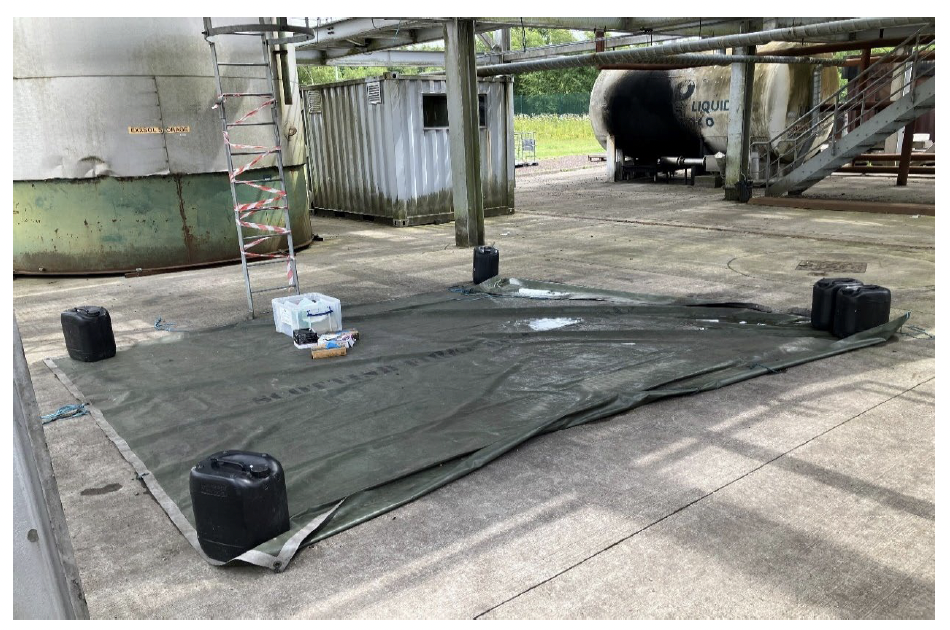
Image 6 - Typical example of temporary Contamination Control measures
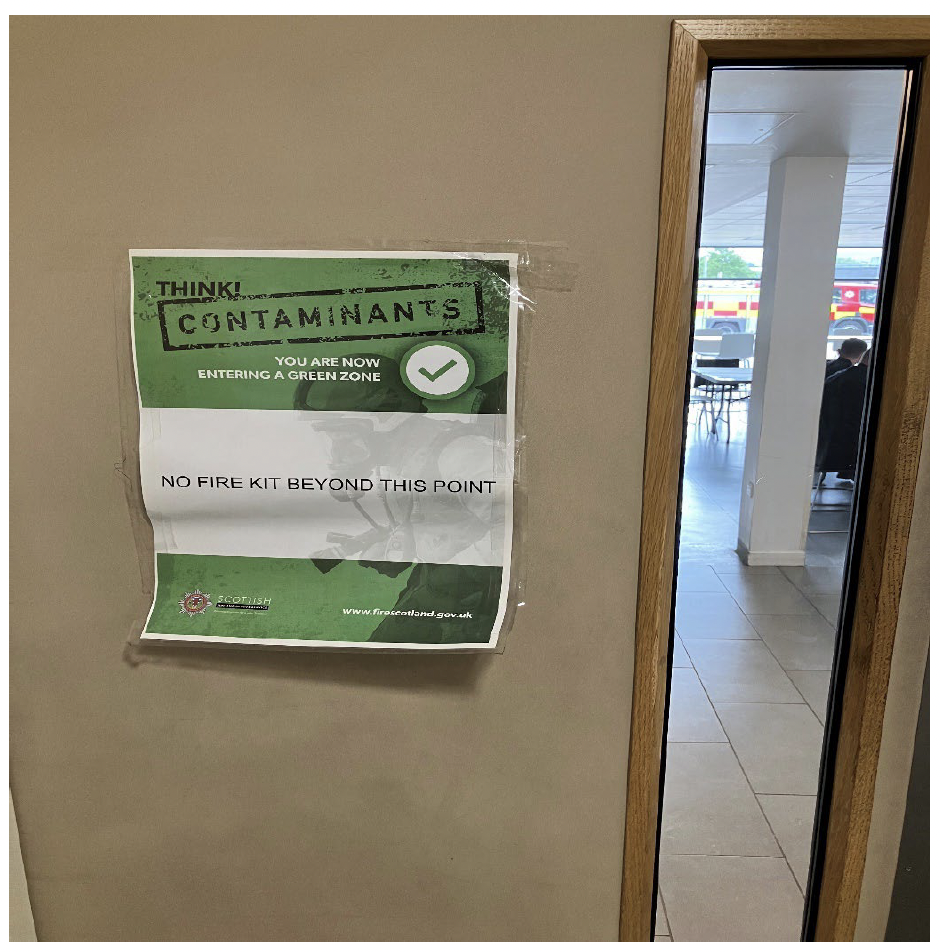
Image 7 - Typical example of Temporary Zoning Measures
266. Instructional staff were frustrated that frequent equipment failures, poor maintenance and missing parts routinely disrupted training. They felt maintenance was largely reactive, with limited planned upkeep after initial construction contract. These issues led to cancelled or restricted courses and consumed significant instructor time, worsening existing capacity pressures.
267. Maintenance issues also affected the candidate training experience, particularly around smoke generation. While staff preferred CFBT units using carbonaceous fuels, they accepted that a percentage of training should rely on artificial smoke. However, smoke machines were often inoperable or missing and replacements produced insufficient smoke for the size of the training spaces. This frequently led to unrealistic training conditions that did not reflect operational challenges. Despite this recurring problem, we found little formal reporting, suggesting the feedback process is not functioning effectively.
268. TC staff were generally positive about their working environment, though many highlighted areas for improvement. At the NTC, instructors were mainly based in a former reception area of the practical facilities building that felt makeshift, overcrowded and unsuitable for focused work, inclusiveness, welfare or welcoming visitors. Beyond the priorities identified in the TSAMP, staff also raised concerns about inadequate storage, underuse of space, poor workmanship, design flaws and unfinished projects. These issues contributed to frustration and a sense that their views were not being heard, reflecting wider concerns about weak feedback loops across the training function.
269. Despite significant investment in the training estate, particularly new CFBT facilities and major upgrades planned at Perth and Dundee, persistent operational, maintenance and welfare issues continue to hinder training effectiveness. Ongoing implementation problems, equipment failures and weak feedback mechanisms reduce the impact of improvements, contributing to instructor frustration, inefficiency, reduced training realism and increased risk to both safety and capacity.
Area for Consideration 13: It is understood that the interim contamination control measures for breathing apparatus training have been in place for a long time and appear to have become normalised. The training function should consider reviewing and reprioritising these issues and invest in permanent, long-term solutions.
Appliances
270. There are 91 vehicles assigned to the training function, including operational appliances for driver and recruit training, as well as cars, vans and minibuses. Recommended maximum ages vary by vehicle type: 15 years for fire engines, 12 years for light appliances/vans, and seven years for cars. Currently, 65% of the 18 tonne fire engines and 28% of the light fleet are beyond their recommended age.
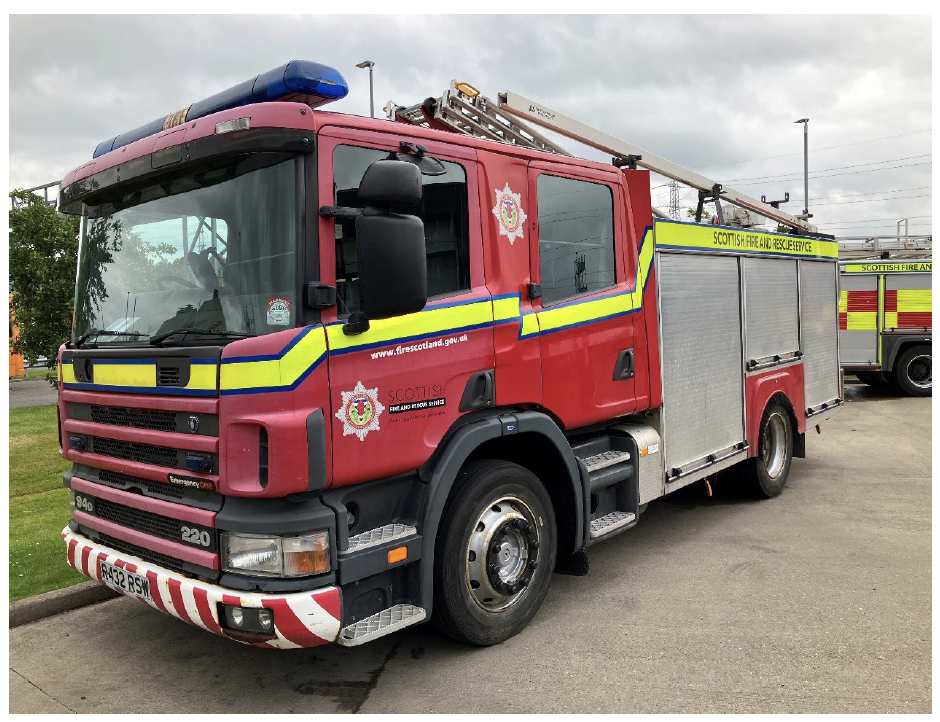
Image 8 - Typical example of ageing training appliance
271. The age and condition of training vehicles appears to be a consistent source of frustration. Frequent faults and breakdowns led to course cancellations or restrictions, and some vehicles were no longer deemed roadworthy or had terminal faults. While allocating end of life vehicles to training is to a degree understandable, the poor condition of the fleet affected morale and created significant challenges for course delivery.
272. Dealing with these issues consumed significant instructional time and worsened existing capacity pressures. Many training vehicles lack modern safety features such as Electronic Stability Programme, meaning staff train on outdated appliances but return to stations to drive vehicles equipped with Electronic Stability Programme. As a result, an extra familiarisation day is required on the station appliance, temporarily taking it OTR. This would seem an inefficient practice, which could be rectified by providing appliances that fit more with what to expect back at station.
273. Fleet discussions are underway to confirm the vehicle replacement schedule. The training function has formally raised concerns about current fleet challenges and their impact on day-to-day operations. Fleet recognised the need for clearer communication and improved replacement processes. As a result, six-to-eight new fire appliances are to be allocated to the training function each year, rotated into operational use on a cyclical basis. This is a positive step that should improve efficiency and effectiveness.
Good Practice 8
The cyclical innovative appliance allocation approach delivers clear benefits, hopefully improving training efficiency, effectiveness and continuous improvement.
Equipment
274. The deployment of equipment across the country is informed by risk analysis. Consideration is given to the level and type of courses, the capacity of TCs to deliver those courses and the demand to ensure maintenance of competencies. Equipment used in the training environment should match the standard and type currently in operational use in front line fire stations.
275. The TSAMP details that the approximate number of items of equipment allocated to training is:
1,200 new items of PPE;
4 to 6 sets of PPE per instructor;
264 self-contained BA sets;
135 BA cylinders;
120 digital radios;
43 hydraulic rescue equipment cutters;
52 hydraulic rams;
33 hydraulic rescue equipment spreaders;
29 thermal imaging cameras;
12 combi tools;
26 hydraulic rescue equipment power packs;
32 e-draulic spreaders;
42 e-draulic rams;
40 e-draulic cutters;
29 reciprocating saws;
123 ladders;
30 light portable generators;
12 rescue boats;
12 outboard motors;
201 lengths of fire hose; and
6 BA compressors.
276. The training function holds a substantial amount of equipment, as detailed above. Although over 60% of it is more than 10 years old, statutory inspections and compliance checks, carried out through a contracted service, ensure all items remain certified and safe to use. Staff feedback on equipment quality was generally positive, with minimal issues reported. In 2023-2024, 98% of equipment was tested within required timescales.
277. The relationship between the assets team and the SDAs has been widely discussed in previous inspections. Training staff were generally positive about the quality of equipment and PPE provided, and they recognise the value Assets brings to operational training. Recent improvements, such as new purpose-built BA set washing machines and dryers were well received and seen as contributing to ConC. However, staff were frustrated that limited budgets meant these investments have not yet been rolled out across the full estate.
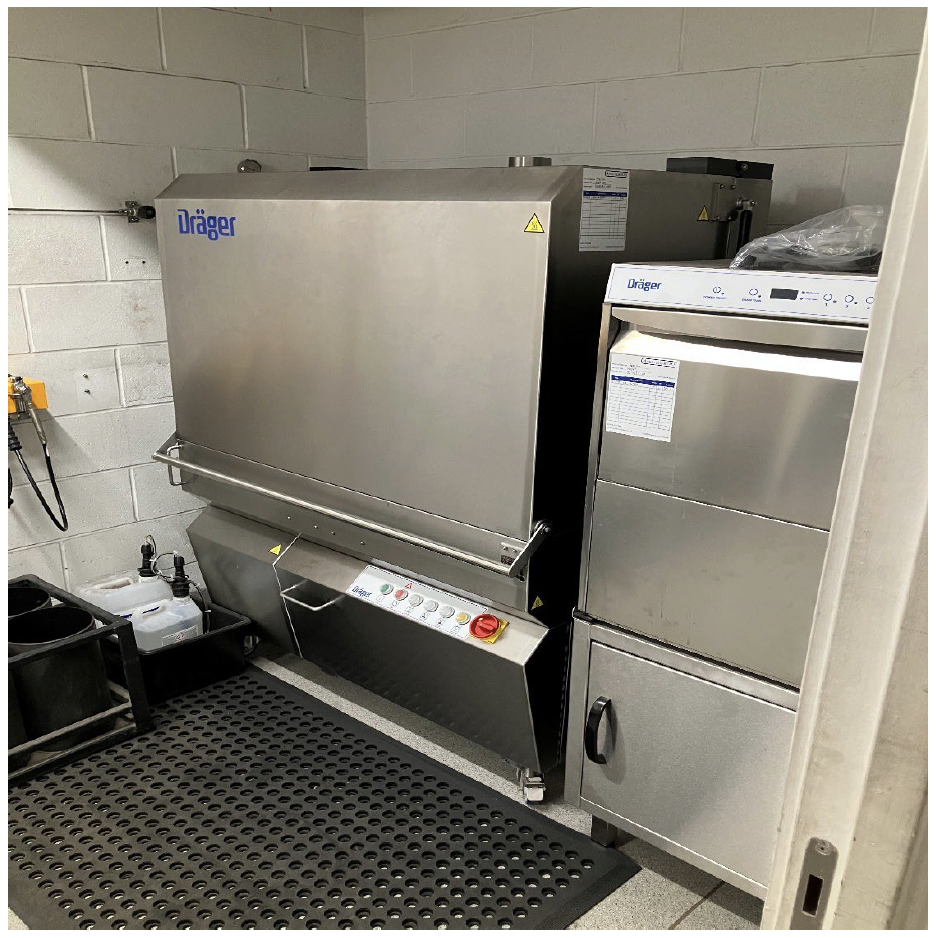
Image 9 - BA washing machine investment
278. Functional staff frequently expressed frustration with how they perceive asset management function to operate and provide services. Their concerns echoed those raised in the SDAs, particularly around equipment not being issued, returned or replaced in a timely manner, even when items were essential for training and approval had been granted by budget holders.
279. We recommended in our NSDA report that asset management function should ‘consider the process for the repair or replacement of…equipment and introduce a system that gives regular feedback to station-based personnel regarding the progress or any delays in the repair or replacement of kit and equipment’[33]. We also noted in previous SDA inspections that staff were frustrated with the Service’s structure and governance. Staff thought that they were not adequately empowered and lacked autonomy to really improve the organisation. This was normally connected with the concern that the Service seemed to be too centralised now, the perception was that functions generally worked in silos to their own agenda.
280. We believe this recommendation remains valid for both functional staff and SDAs. The TSAMP includes an action for assets to attend meetings with training and to provide earlier notice of asset replacement or refurbishment. Assets are working to improve transparency in allocation and communication across the asset management process, which is welcomed
281. In summary, the equipment inventory would seem good and staff value the quality of the equipment, but it is ageing. The equipment is safe and certified due to a strong inspection and testing regime. Slow repairs, inconsistent replacements and poor communication persist with Assets as per previous inspections and the previous recommendation on the need for transparency and process improvement remain extant.
PPE
282. The SFRS has taken steps to reduce firefighter exposure to contaminants, including reviewing decontamination processes for appliances, personnel and PPE during both incidents and training. A specialist cleaning and repair contract ensures PPE is properly decontaminated and maintained in line with manufacturer instructions and British Standards. To strengthen ConC, 600 new PPE sets were issued across the training function, 200 each to NTC, Portlethen and Newbridge, with instructors receiving four sets each to ensure a consistent supply of clean kit. Portlethen has also trialled on-site structural fire kit washing machines. Structural firefighting PPE was widely praised, with no concerns raised about cleaning turnaround times.
Good Practice 9
The innovative personal protective equipment allocation approach delivers clear benefits, improving staff welfare, training efficiency, effectiveness and continuous improvement.
283. There appeared to be confusion over the appropriate level of PPE for support staff, specifically FGTs. Staff across the training estate reported inconsistent allocations, such as variations in powered respirators as well as difficulties obtaining initial or replacement kit from stores. This appears to stem from the absence of an agreed standardised PPE inventory with Assets for FGTs, resulting in ad hoc issue based on perceived need and location.
284. In summary, there would seem well resourced improvements to PPE ConC and instructor kit availability. However, FGT PPE provision is inconsistent, unclear, and not aligned across sites, posing a potential safety and compliance risk until a standardised inventory is established.
Area for Consideration 14: The training function should consider reviewing the provision of PPE for FGT to ensure a consistent allocation and issue across every training site.
Stations
285. Stations were generally satisfied with their training facilities, though some highlighted issues with training towers. Of the 240 towers across the estate, 54 (23%) are in poor condition. While tower-based training is not essential, since off-site training can be used, towers remain valuable for ladder work and Safe Working at Height training. It is therefore unfortunate that so many are in disrepair. Although the Service must prioritise investment, the condition of these facilities suggests they have received low priority in recent years.
286. Persistent national contract issues continue to limit the availability of scrap cars for RTC training, as we have reported in previous inspections. Many stations reported receiving only one vehicle per year, which must be used repeatedly to practice key stabilisation and cutting techniques. Supply also appears inconsistent across the country, with remote rural stations particularly affected. As a result, personnel often cannot undertake a full range of realistic training activities comparable to those required at operational incidents.
287. It would seem that key operational training infrastructure is significantly under-resourced, affecting the Service’s ability to maintain essential firefighter competencies. In addition, environmental and logistical constraints (ageing towers, limited RTC training vehicles) are creating a gap between required training standards and what can realistically be delivered on the ground. These issues appear longstanding, indicating systemic challenges rather than isolated deficiencies and previous recommendations remain extant.